The first day of the Battle of Gettysburg began as a clash between advance elements of the two armies and grew into a major engagement west and north of town. What started as contact on the roads leading into Gettysburg became the opening phase of one of the Civil War’s most important battles.
By the end of July 1, Union forces had been driven back through Gettysburg but had taken position on high ground south of town. That ground would shape the next two days.
The Opening Clash
Union cavalry under Brigadier General John Buford arrived in the Gettysburg area before much of the Union infantry. Buford recognized the importance of the terrain and the roads converging on the town. His cavalry delayed Confederate forces long enough for Union infantry to arrive.
The early fighting west of town helped determine where the battle would develop. As more Confederate and Union troops arrived, the engagement expanded.
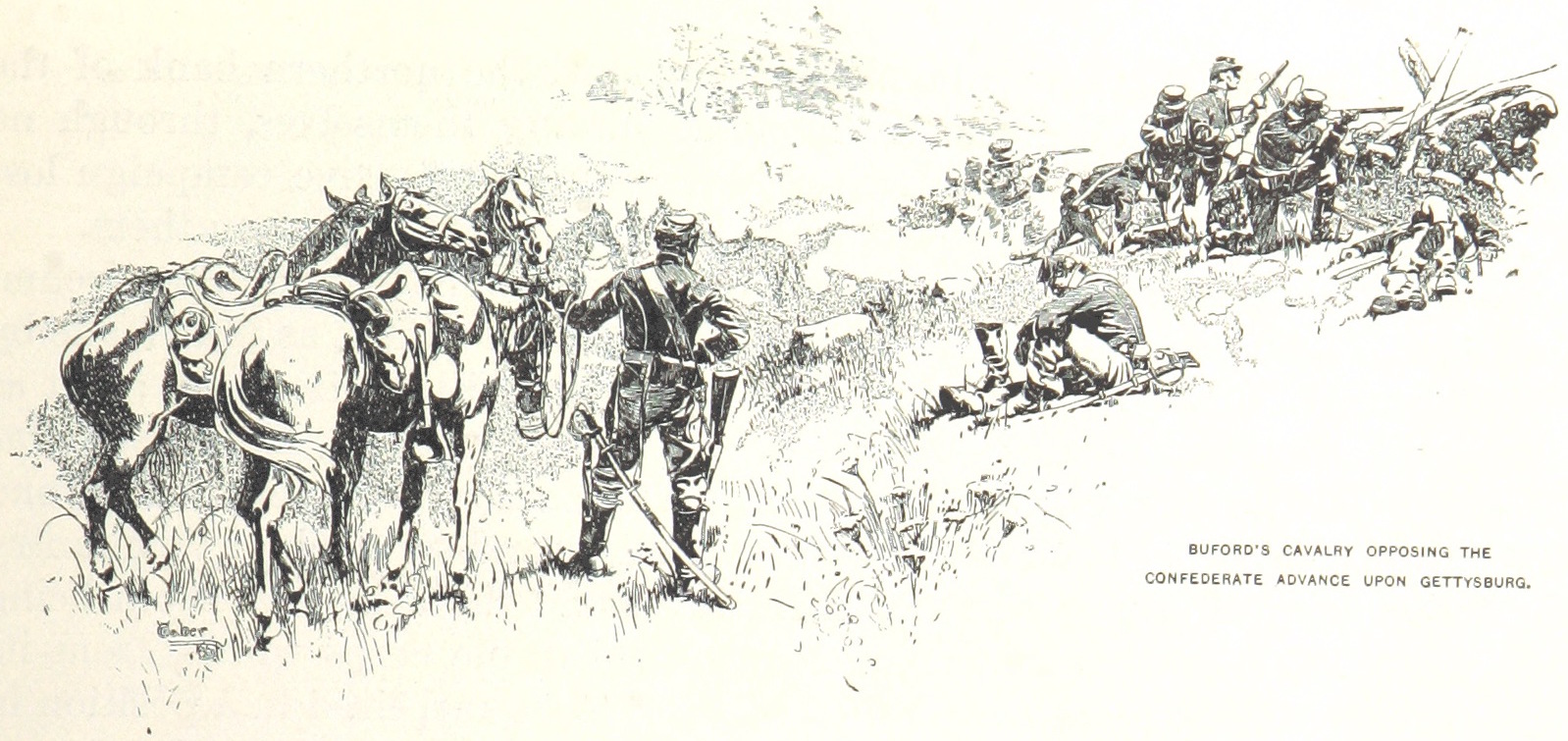
Source: British Library
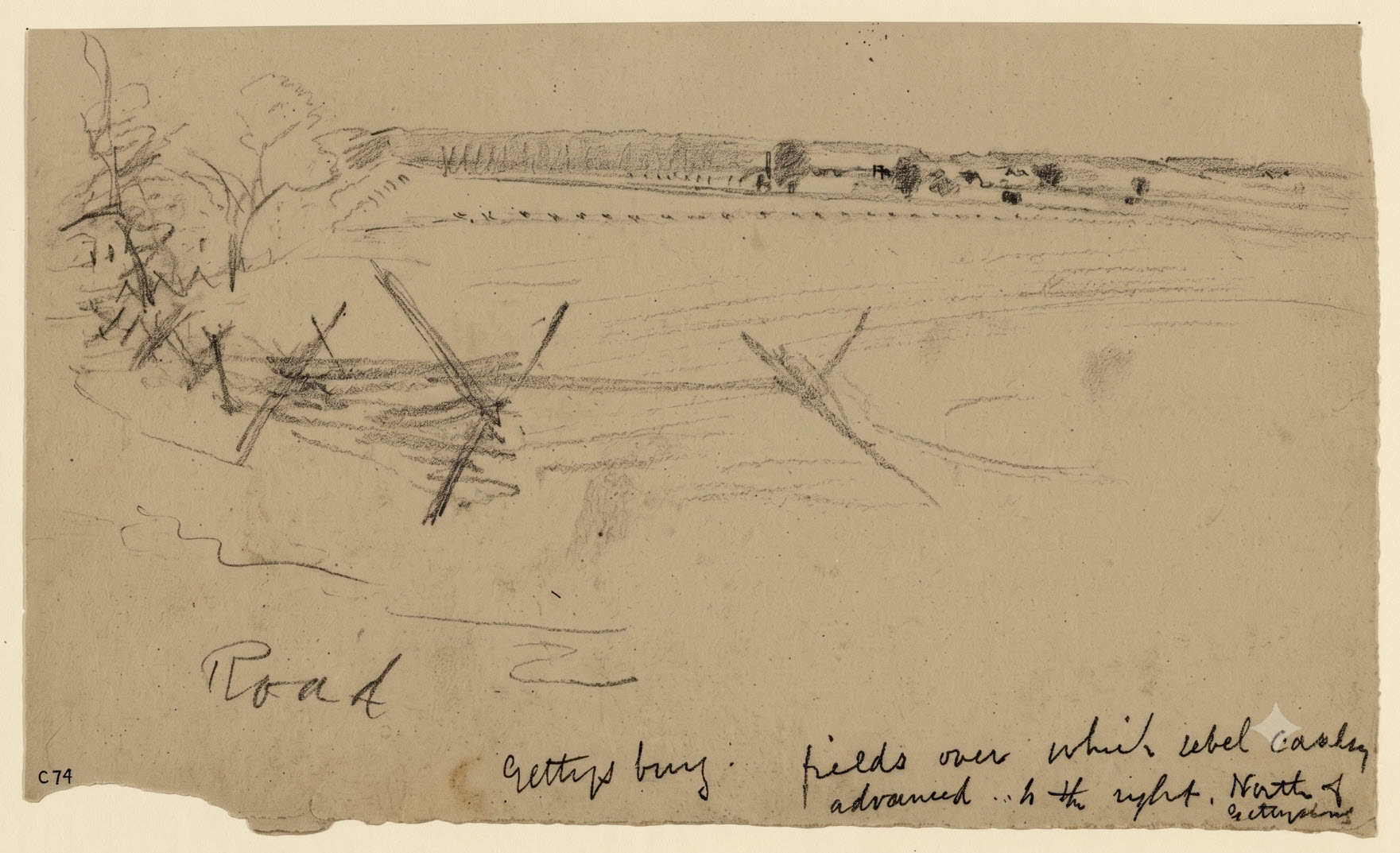
Source: Timothy H. O’Sullivan / Library of Congress
Fighting West and North of Town
The fighting on July 1 spread across ridges, roads, farms, and open ground west and north of Gettysburg. Union troops fought to delay and resist Confederate pressure, but the arrival of more Confederate forces increased the strain on the Union line.
As the day continued, Union positions became difficult to hold. Confederate attacks eventually pushed Union troops back toward and through the town.
The Retreat Through Gettysburg
The Union retreat through Gettysburg was chaotic and dangerous. Some Union soldiers were captured in and around the town. Others moved south to stronger ground at Cemetery Hill, Cemetery Ridge, and nearby positions.
Although July 1 ended with a Confederate tactical success, the Union army held the high ground that would become the backbone of its defensive position.
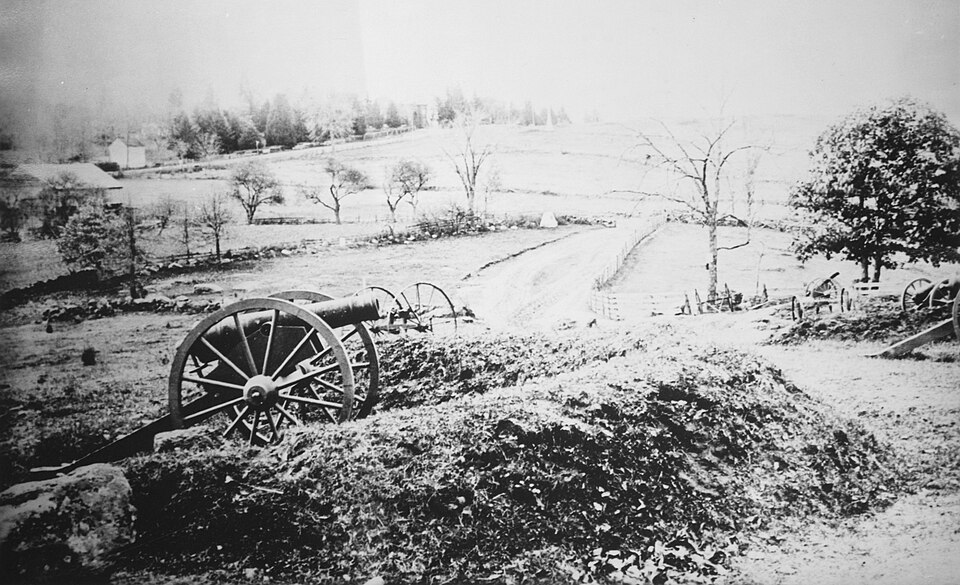
Source: Unknown photographer
Why Day One Matters
Day One mattered because it established the battlefield. The Union army lost ground but gained a defensive position. The Confederate army achieved momentum but did not seize all of the key high ground before Union reinforcements consolidated.
The decisions and movements of July 1 set the conditions for the larger fighting on July 2 and July 3.
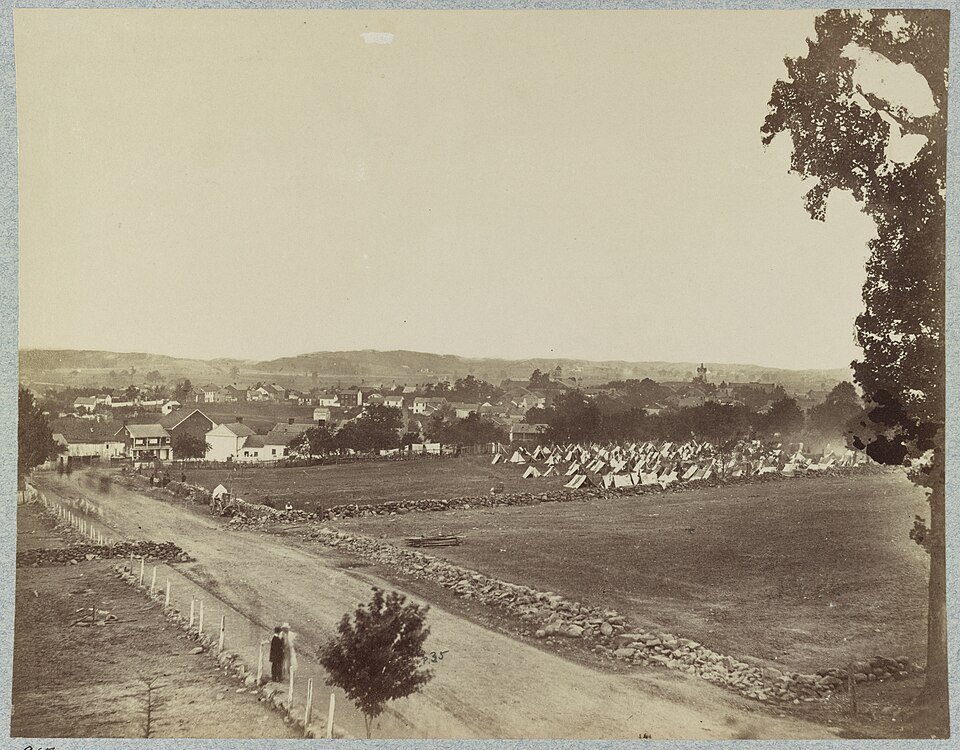
Source: Library of Congress