Gettysburg was shaped by commanders, soldiers, civilians, medical workers, political leaders, families, and communities. The battle’s history is not only about troop movements and battlefield positions. It is also about human choices and human cost.
This section introduces some of the people connected to Gettysburg and the stories that help bring the battlefield into focus.
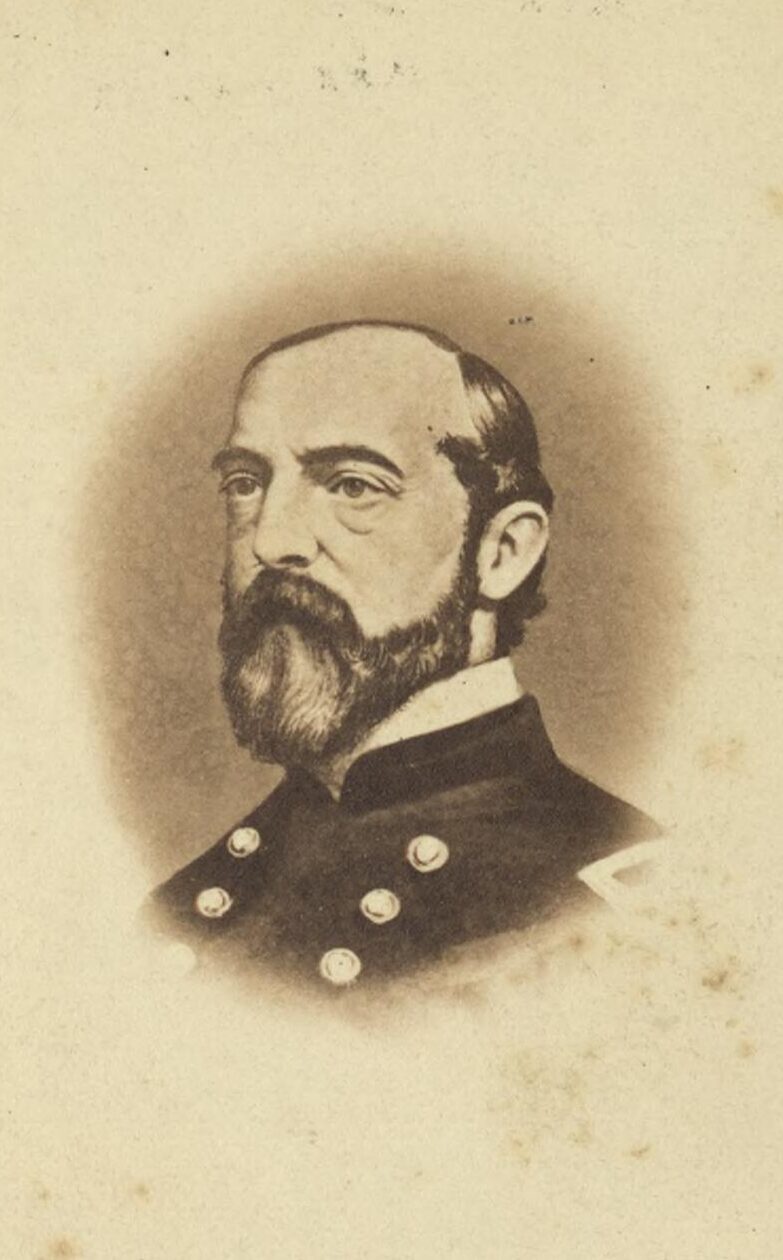
The Union commander who led the Army of the Potomac at Gettysburg after taking command shortly before the battle.
Image source: Unknown photographer
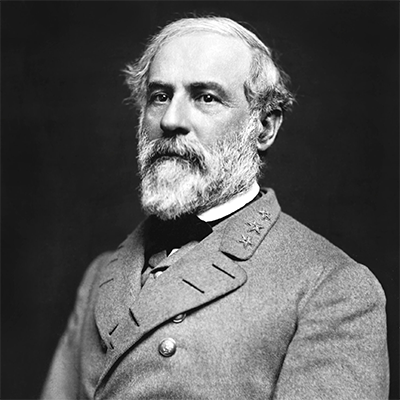
The Confederate commander whose invasion of Pennsylvania ended in defeat at Gettysburg.
Image source: Brady-Handy
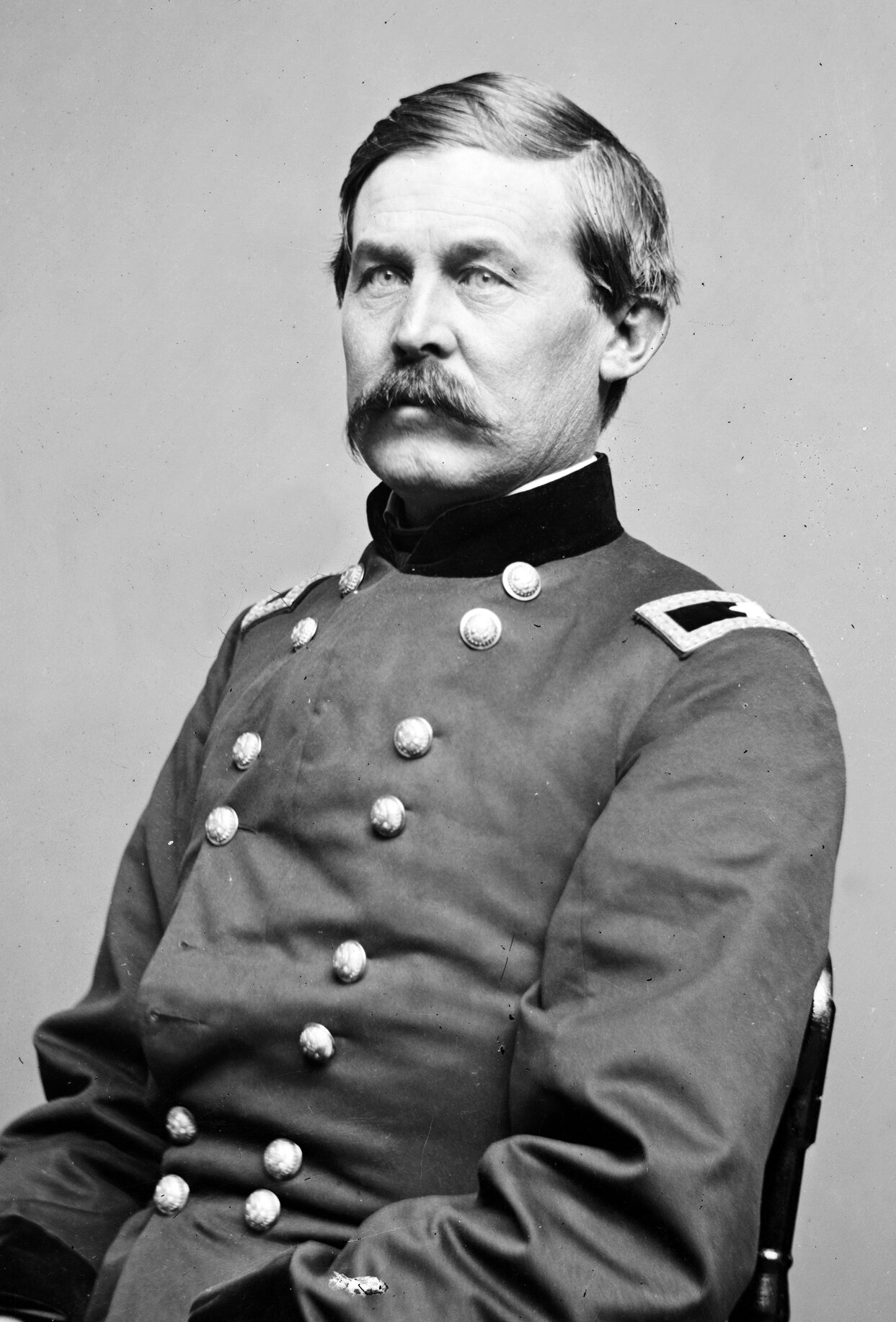
The Union cavalry commander whose actions on July 1 helped shape the opening of the battle.
Image source: Unknown photographer
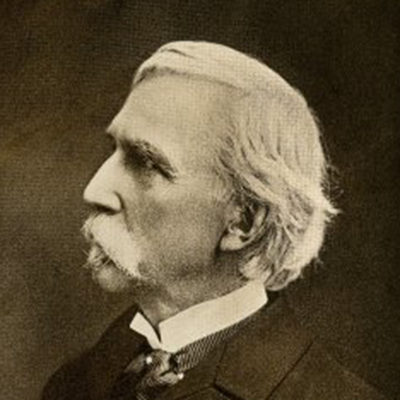
A Union officer closely associated with the defense of Little Round Top.
Image source: Unknown photographer
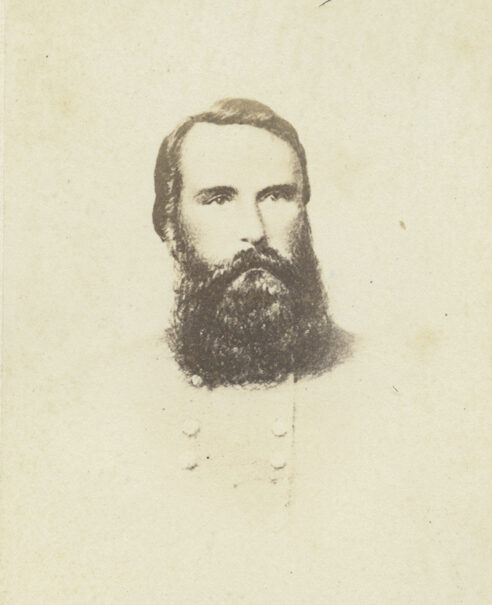
A senior Confederate commander whose role at Gettysburg has been debated for generations.
Image source: Unknown photographer
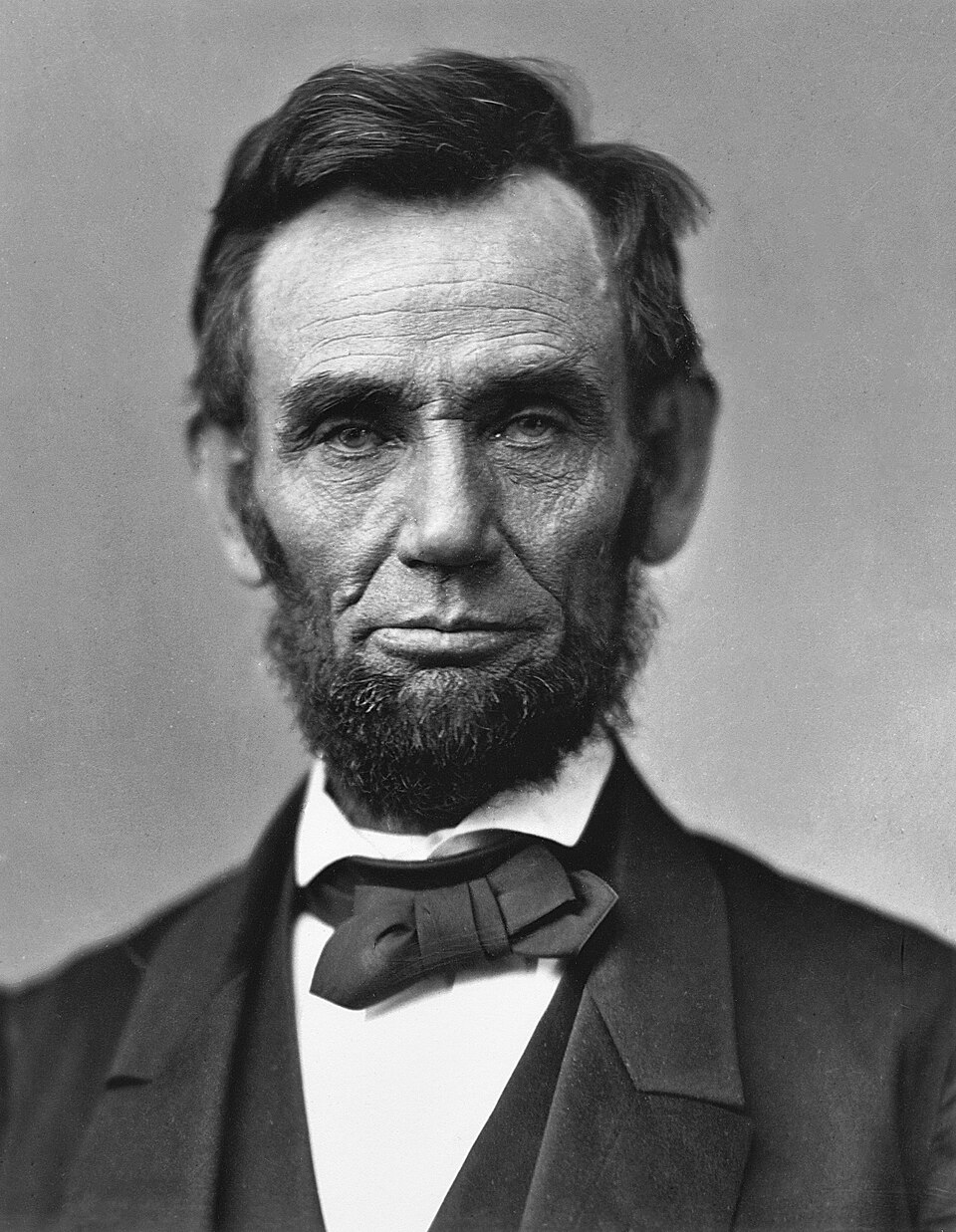
The president who later came to Gettysburg and gave the battlefield enduring national meaning through the Gettysburg Address.
Image source: Library of Congress
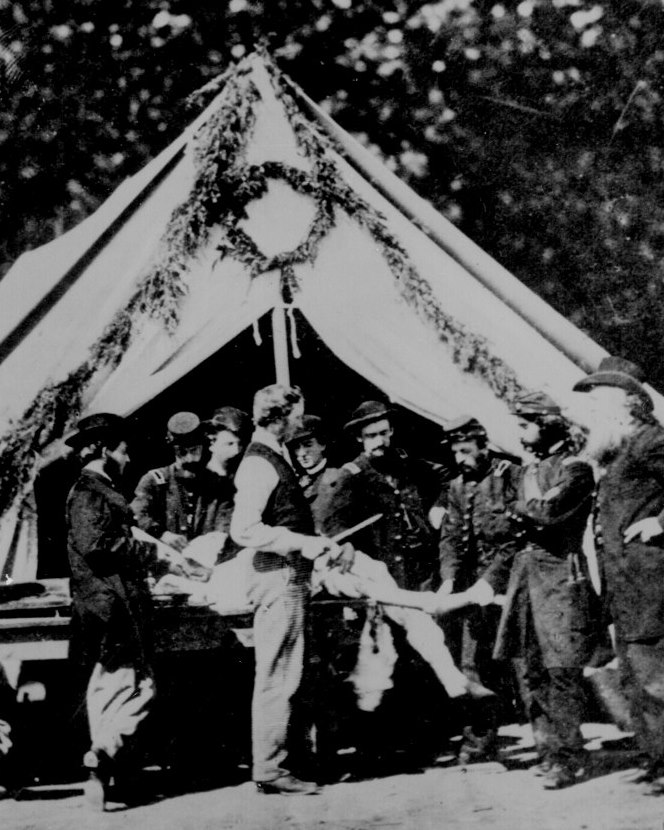
The people of Gettysburg experienced battle, occupation, destruction, care for the wounded, burial, and the transformation of their town into a place of memory.
Image source: Unknown photographer / Wikimedia Commons
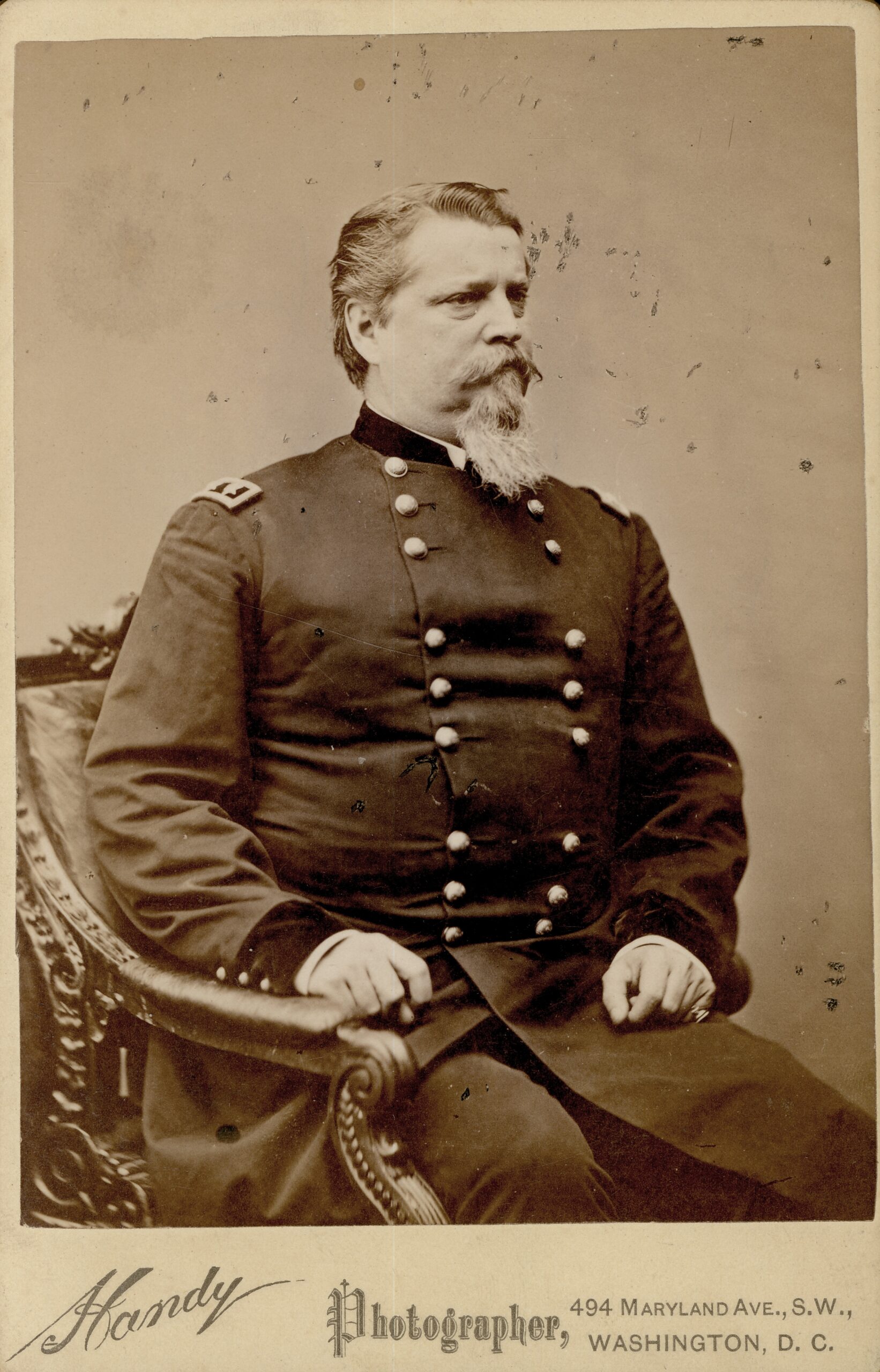
The Union Second Corps commander whose leadership at Cemetery Ridge was critical to the defense of the Union center.
Image source: Unknown photographer
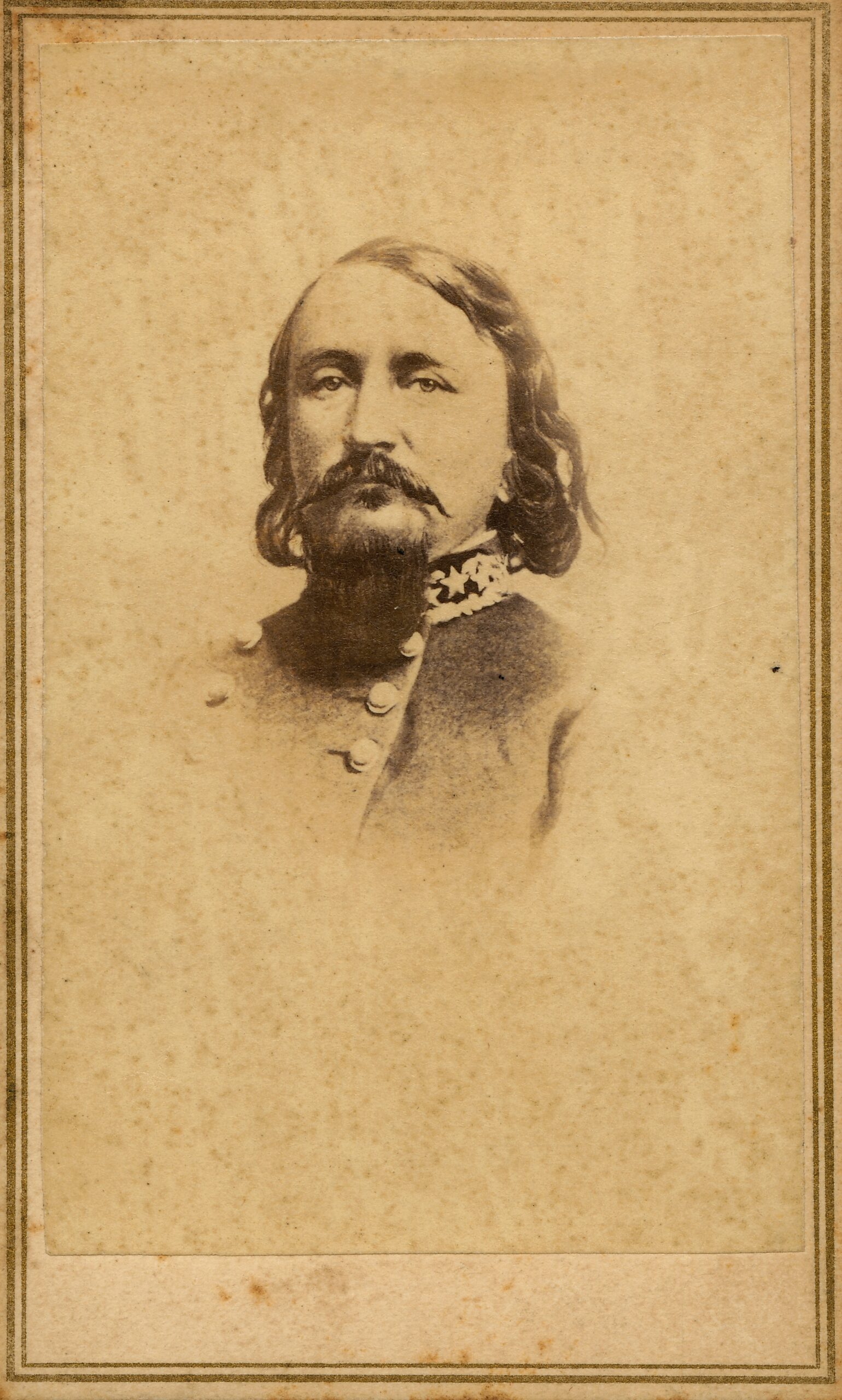
The Confederate division commander associated with the July 3 assault on the Union center.
Image source: Unknown photographer
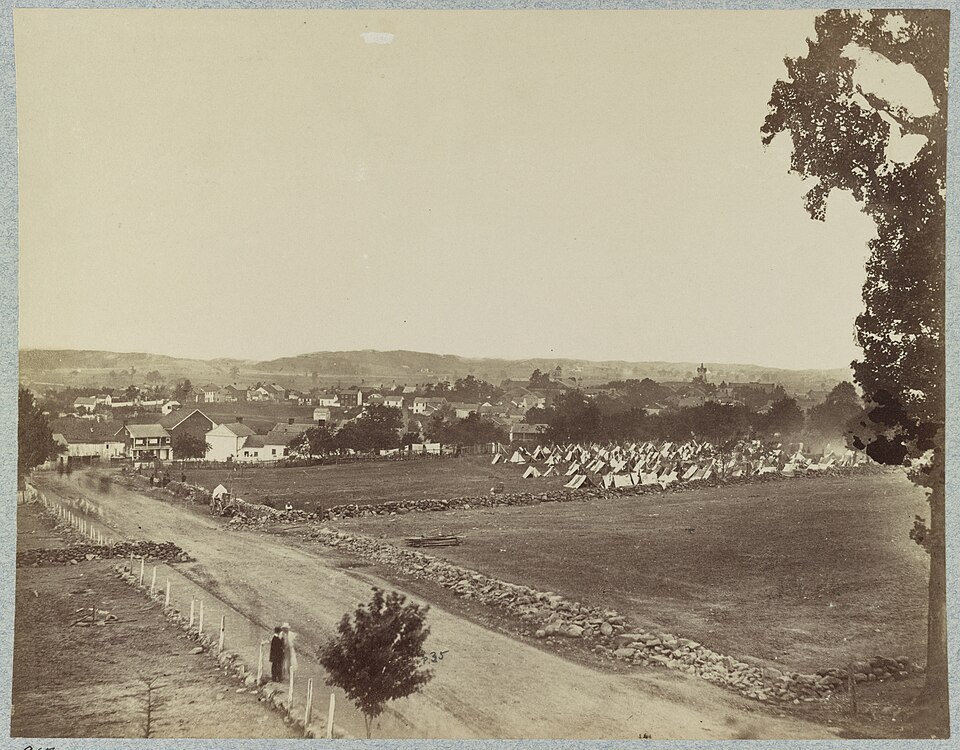
The caretaker of Evergreen Cemetery who helped bury the dead during and after the battle.
Image source: Library of Congress
The only Gettysburg civilian killed during the battle.
Image source: Unknown photographer
More Than Commanders
Military leaders matter, but Gettysburg was also experienced by enlisted soldiers, civilians, free Black residents, medical workers, burial crews, photographers, politicians, and visitors. Their stories show the battle’s reach beyond the battlefield.